
Volvo Cars Turns to Locust Swarms for Future Safety Solutions

Volvo Cars Turns to Locust Swarms for Future Safety Solutions
Volvo looks to nature for its research on new vehicle safety solutions.
Staff Writer
Today, lessons learned from Nature help scientists improve our lives with technologies like Velcro that was inspired by burrs on seed pods, self-cleaning coatings for ship hulls from shark skin structures, neuromorphic computer chips that will one day be able to process information the way our brain does, just to mention a few.
"We learned of Dr. Claire Rind's, Newcastle University, UK, studies into the migratory locust, the African Locust, that they tend to avoid bumping into each other during flights," states Jonas Ekmark, Preventive Safety Leader at Volvo Car Corporation. "Our original thoughts centered on pedestrian safety. If we could trace how the locust is able to avoid each other maybe we could program our cars not to hit pedestrians." During the study, Dr. Rind learned that visual input is instantly transmitted to the insect's wing nerve cells, seemingly bypassing the brain. Dr. Rind calls this the Locust Principle.
"Locusts are quick reacting and have reliable circuits, they do their computations against lots of background chatter, much like driving around town," comments Dr. Rind.
Volvo wanted to learn if locust sensory-input routing methodologies could be built into a vehicle pedestrian safety system. The goal was to avoid hitting pedestrians. Primary to this research was to synthesize a locust algorithm that could be applied to a car.
"As it turns out, the locust processing system is much more sophisticated than the hardware/software currently available. In the end technology was no match for nature," says Jonas Ekmark.
But technology is quickly catching up. Volvo City Safety has been launched as standard in the new Volvo XC60. At low speeds, City Safety is smart enough to bring the XC60 to a complete stop should the vehicle in front suddenly stop.
"Beyond City Safety our next step will be our first pedestrian avoidance feature", comments Jonas Ekmark. "Although City Safety is not related to our Locust research, we are confident that our first pedestrian auto brake feature will be very good at taking actions to help avoid hitting pedestrians," comments, Jonas Ekmark.
Related Posts
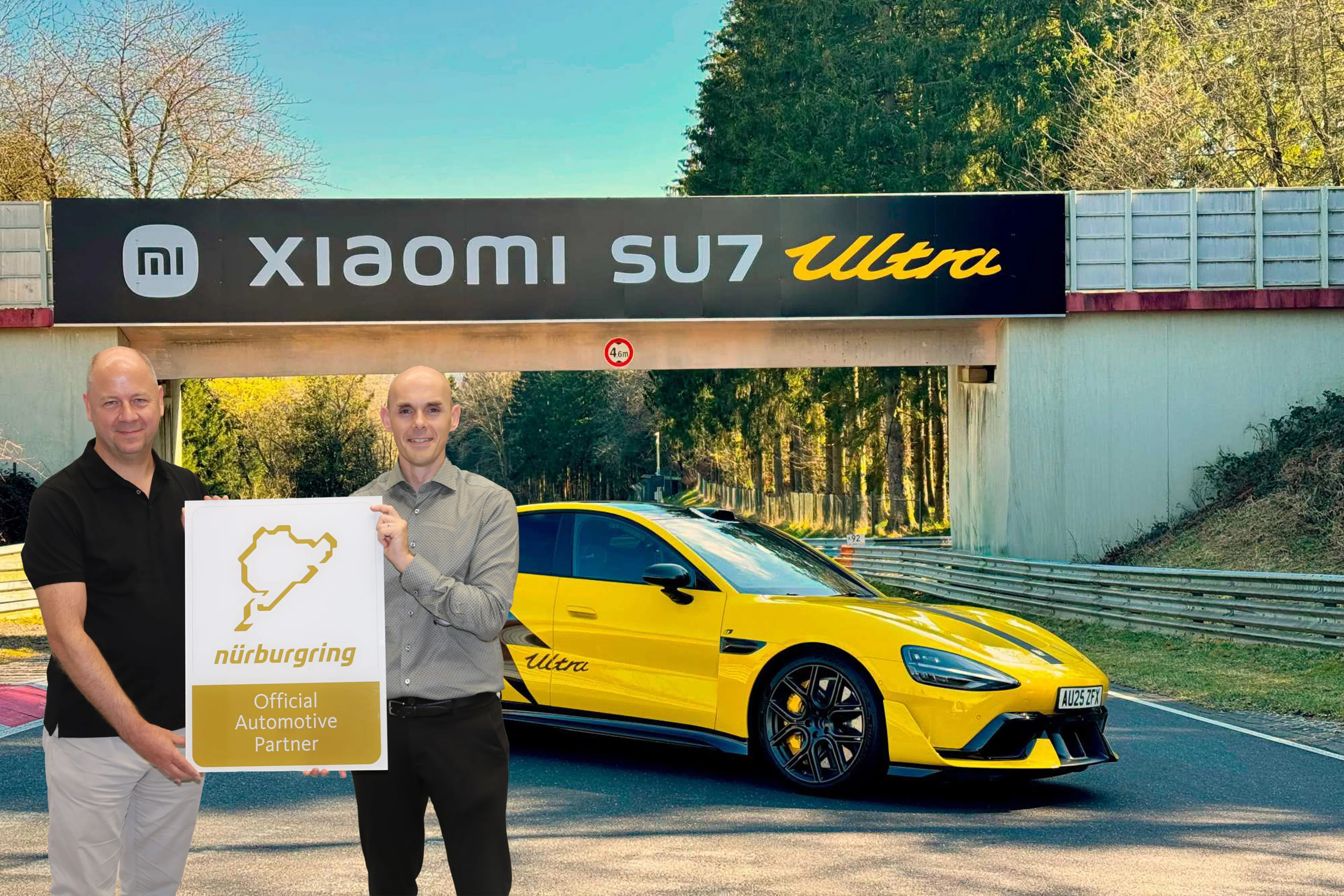
Xiaomi establishes R&D hub at Nürburgring’s reimagined ring°werk complex
Technology giant Xiaomi has signed on as the anchor industrial partner in the reorganization of the Nürburgring’s ring°werk facility, establishing a dedicated development and technology space along the circuit's main straight.
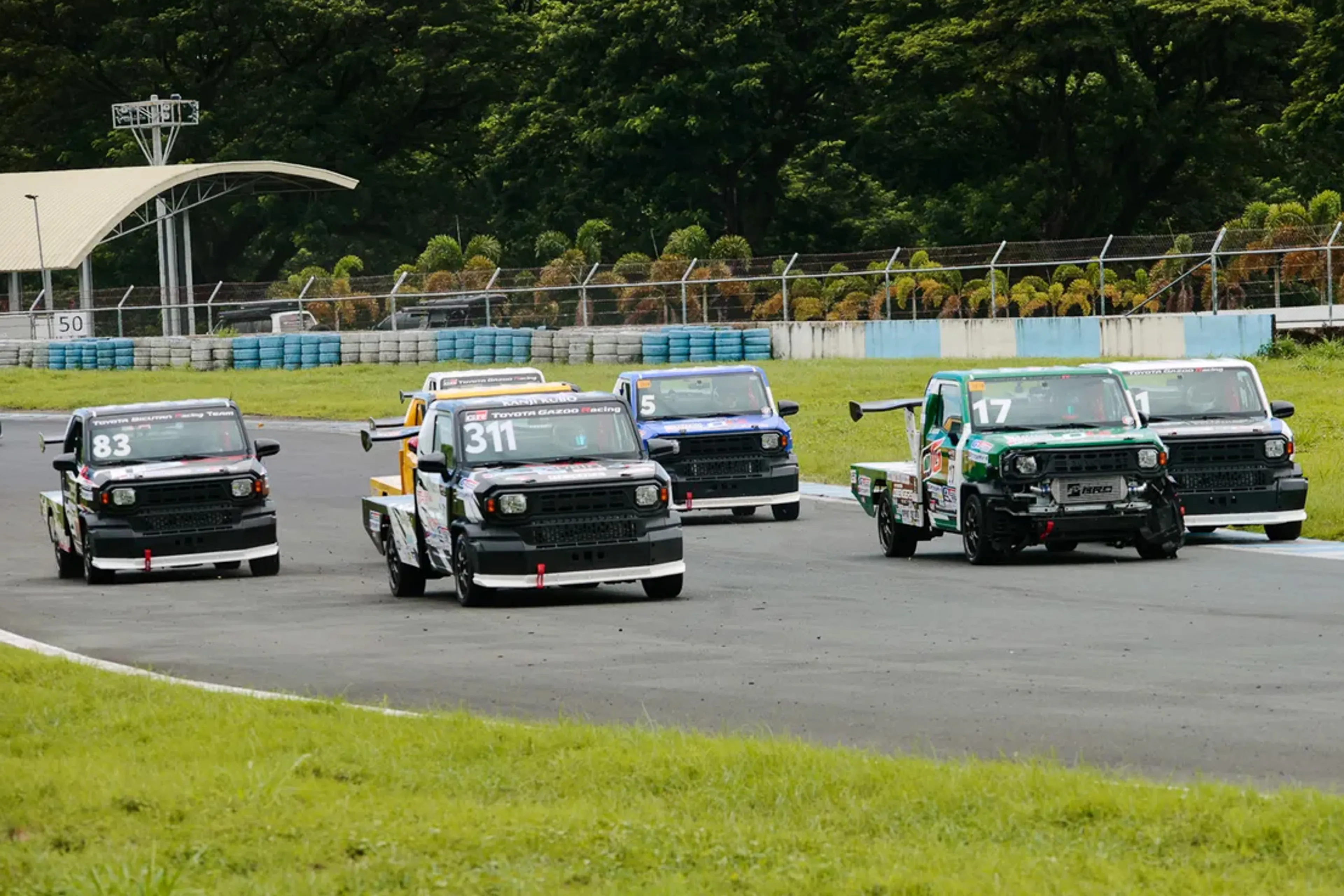
Officially official: 2026 Toyota GR Philippine Cup finale racing in Clark this October
Toyota Motor Philippines confirms official rescheduled date of TGR Philippine Cup Race Weekend 4
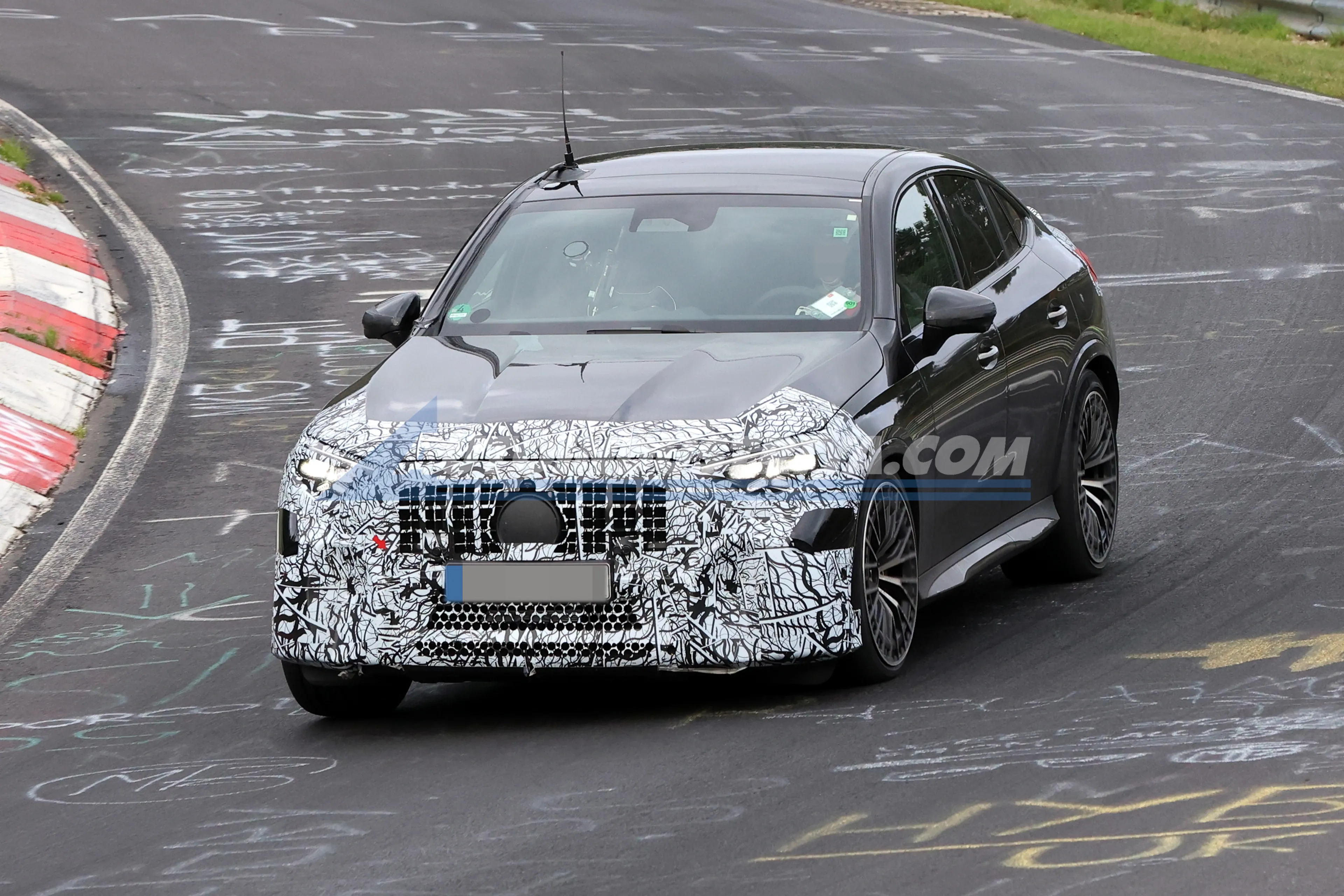
SPIED: Mercedes-AMG putting final touches to 2027 GLC Coupe facelift?
Mercedes-AMG prepping revised GLC lineup, potentially bringing six-cylinder engines back with new design and tech

Report: All-new Mitsubishi Pajero will not get a V6 option
A V6-powered Mitsubishi Pajero is currently out of the question, but a hybrid version could happen
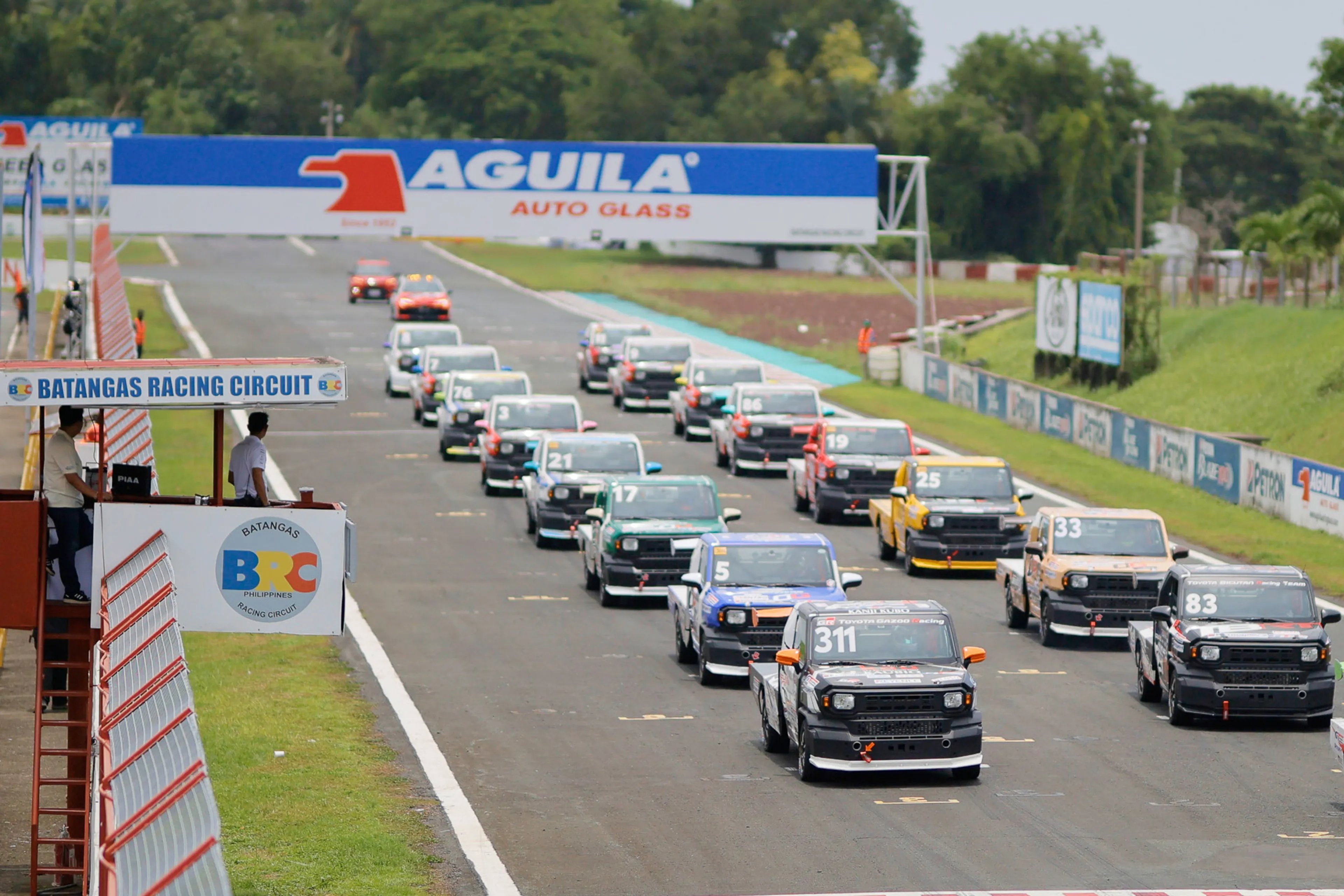
2026 Toyota GR Philippine Cup may move to Batangas Racing Circuit for finale
New venue in the works for rescheduled 2026 TGR Philippine Cup Race Weekend 4
DOE, DOF to propose fuel excise tax suspension again, but unlikely for gas, diesel
Philippine gov’t looking to temporarily halt fuel excise tax for kerosene, LPG as oil prices surge again