
Toyota, Nissan, Honda lead group fast-tracking hydrogen tech in Japan
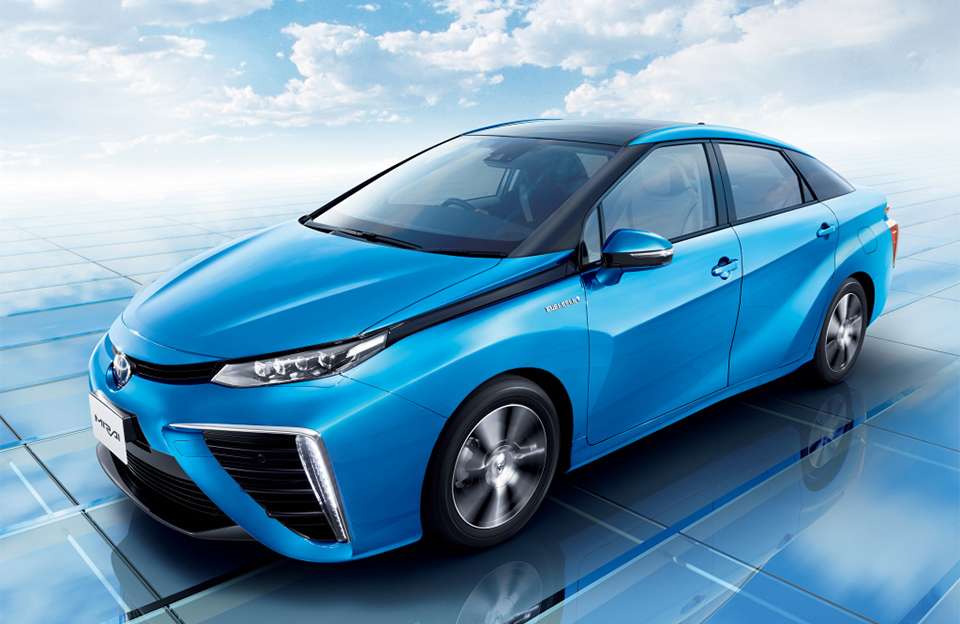
Toyota, Nissan, Honda lead group fast-tracking hydrogen tech in Japan
New company has 10-year plan to develop hydrogen infrastructure in Japan

Just as electric vehicles (EVs) and hybrids were starting to gain traction, a new agreement is formed by three major Japanese automakers along with leading petroleum and financial institutions to accelerate the use of hydrogen infrastructure all across Japan.
Toyota Motor Corporation, Nissan Motor Co., Ltd., and Honda Motor Co., Ltd. along with JXTG Nippon Oil & Energy Corporation, Idemitsu Kosan Co., Ltd., Iwatani Corporation, Tokyo Gas Co., Ltd., Toho Gas Co., Ltd., Air Liquide Japan Ltd., Toyota Tsusho Corporation and the Development Bank of Japan Inc. are set to form a new company early 2018 with the ‘focus on full-fledged development of hydrogen recharging station network in Japan.’
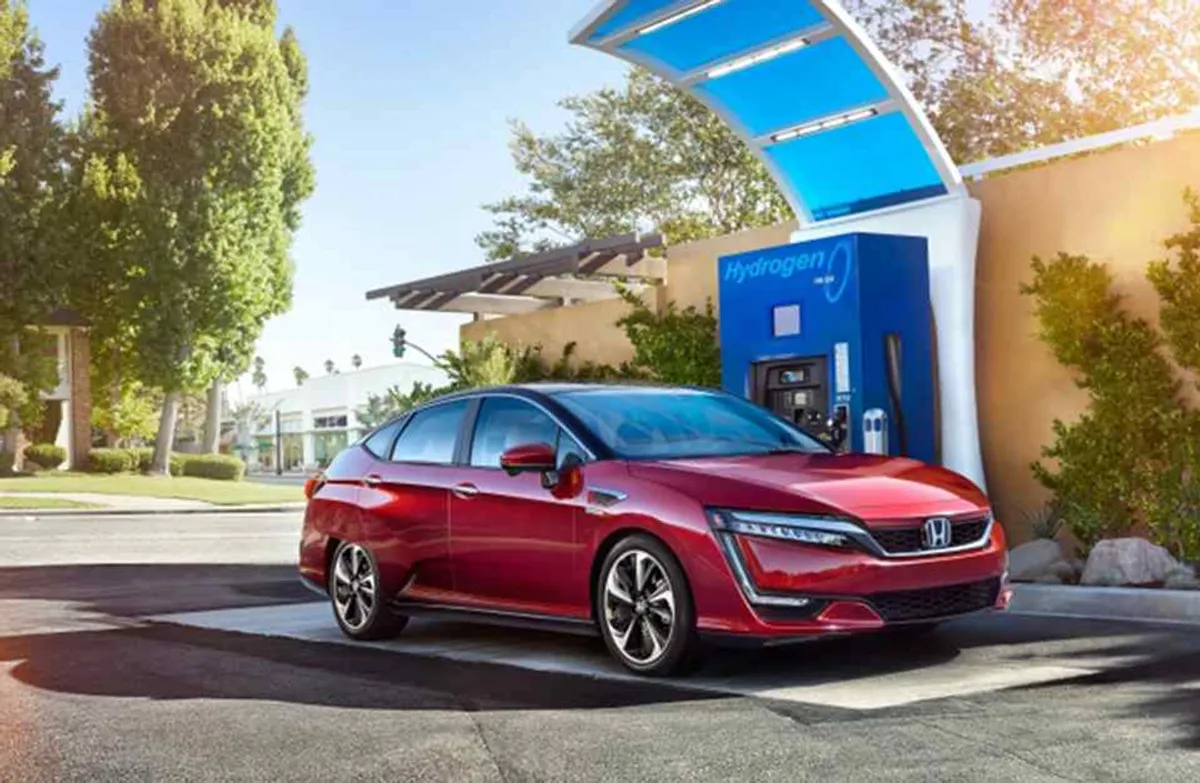
What began as initial discussions in May 2017 between 11 companies is now a full-blown initiative aimed at fast-tracking Japan’s hydrogen strategy based on the government’s ‘Strategic Road Map for Hydrogen and Fuel Cells’.
Using a 10-year plan, the new company aims to strengthen collaboration among infrastructure developers, automakers, and financial institutions in order to simultaneously accelerate and scale up Japan's deployment of hydrogen refueling station (HRS) and fuel cell vehicles (FCVs).
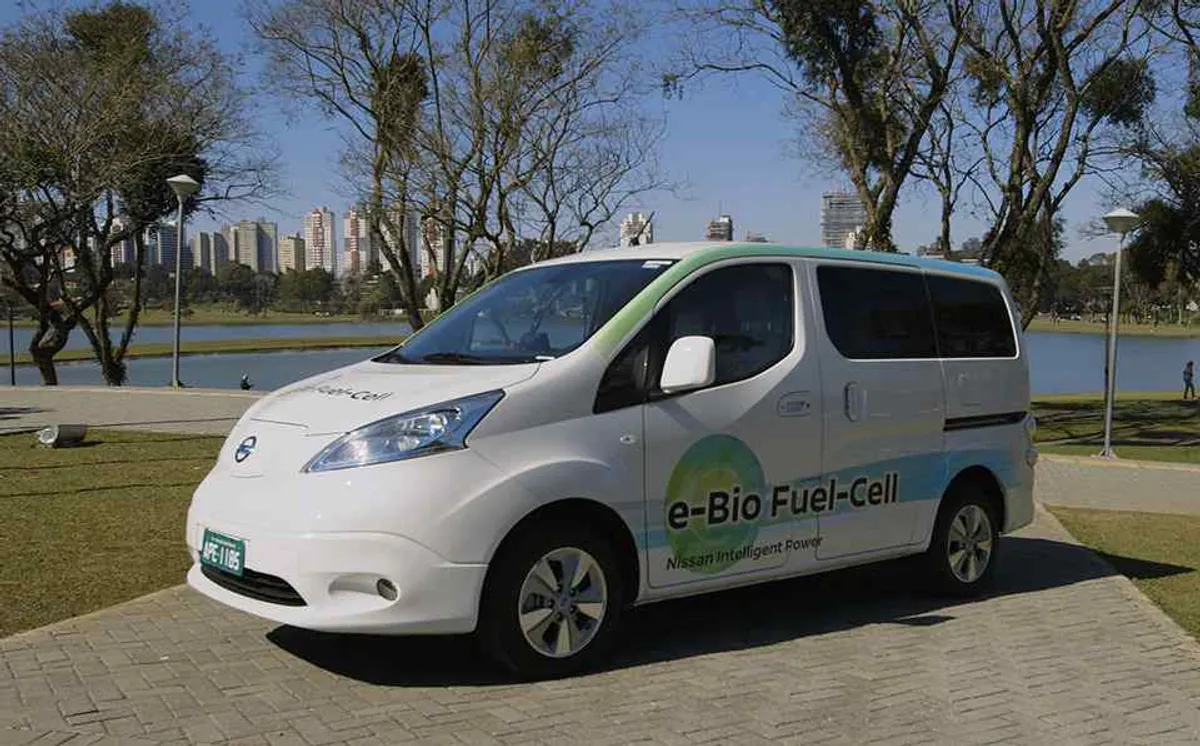
Phase 1 of the project involves construction of 80 new HRSs with the end goal of having 160 in order to serve 40,000 FCVs by 2020.
Roles of each member of the new company has been clearly outlined:
- Infrastructure developers will invest in and construct hydrogen recharging stations, and operate them, on behalf of the new company;
- Automakers will contribute financially to the operations of the new company in order to efficiently deploy hydrogen recharging stations, improve convenience for users, and boost public awareness, while also striving for higher penetration of fuel cell vehicles during Phase 1;
- Financial institutions will partially cover HRS deployment costs through investments. By providing the funds necessary until the HRS business becomes commercially sustainable, financial institutions will help reduce the financial burden borne by infrastructure developers during Phase 1 and will help attract new participants.
Related Posts

Toyota Tacoma H2 Overlander Concept can recharge EVs, filter water
Toyota transforms a Tacoma into a hydrogen fuel cell-powered pickup that can go anywhere
Fuso to hold world premiere of hydrogen FC trucks at Japan Mobility Show 2025
Mitsubishi Fuso Truck and Bus Corporation will be showing off hydrogen fuel cell technology at JMS 2025

All-new BMW X5 to be available with hydrogen fuel cell co-developed with Toyota
We get our first look at the all-new BMW X5, which will be offered with various powertrain options

NISMO Festival is making its return this December
Nissan is bringing back the NISMO Festival after a year of hiatus

SPIED: All-new Honda Avancier spotted testing in Japan
Honda spotted testing camouflaged prototype of all-new Avancier in Japan
Honda CEO apologizes at shareholder meeting, defends U-turn away from BEVs
Japanese automaker CEOs are feeling the pressure, and Honda's Mibe is the latest to meet with angry shareholders