
Spied: 2017 Volvo XC60 caught testing in Europe

Spied: 2017 Volvo XC60 caught testing in Europe
Heavily camouflaged next-generation Volvo XC60 spied

Volvo's compact crossover will indeed be all-new come 2017 after a new set of spy shots show appears the next-generation XC60.
When launched, it will be the latest-generation nameplate to be underpinned by the company's flexible SPA architecture first used on the XC90. In terms of size, it appears relatively the same though it could get a more spacious cabin.
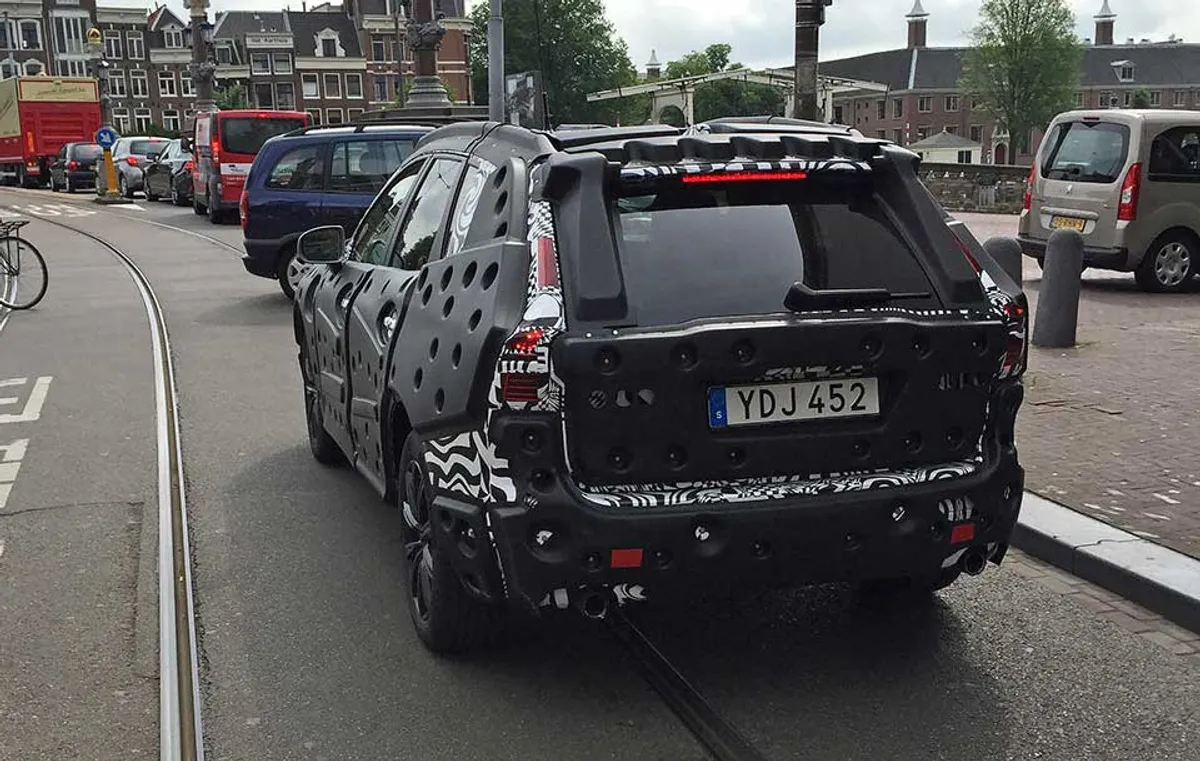
Even with the heavy camouflage, the 2017 XC60 follows Volvo's current design philosophy. Up front, it gets the signature LED headlights along with the 'Thor's Hammer' daytime running lamps (DRLs). The large grill and low slung bumper can also be seen on the front fascia.
Styling cues from the flagship XC90 are also seen at the back. These include the vertical taillights, tailgate-mounted spoiler and the slight kink on the third row window.
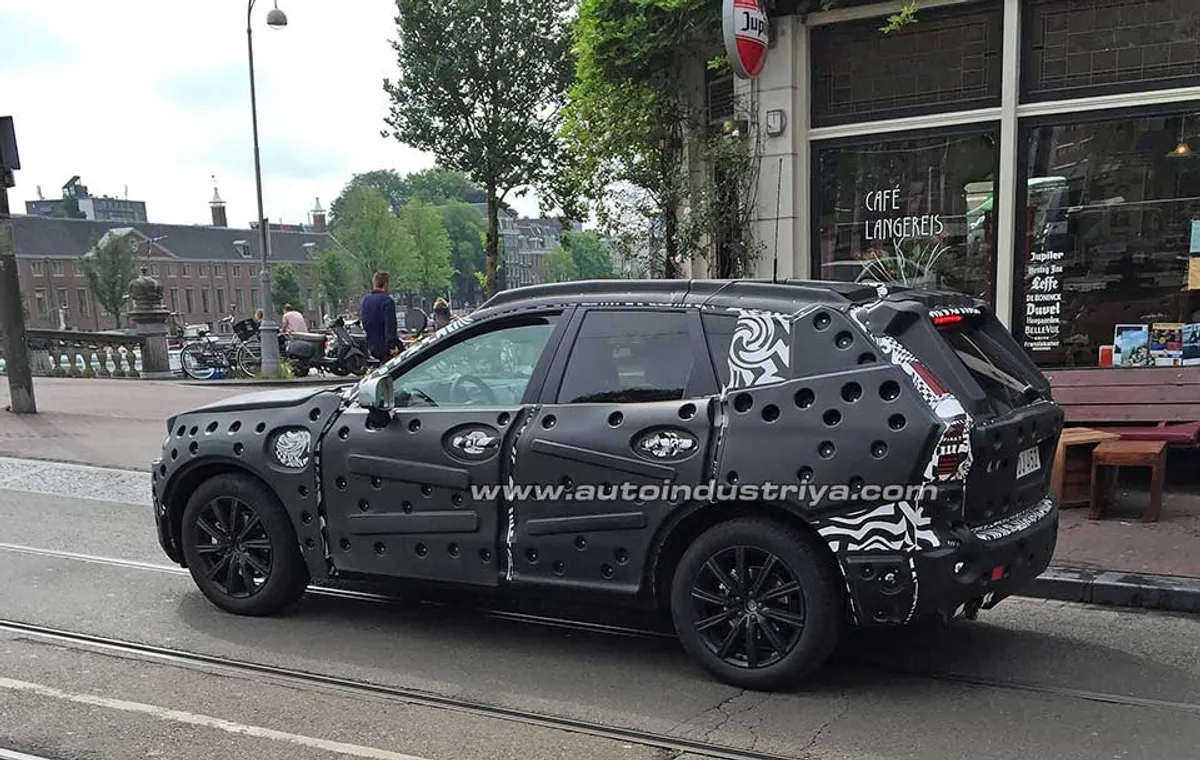
Like current Volvos on offer, the 2017 XC60 will be powered by an array of turbocharged engines. One of which is the T5 gasoline powertrain which produces 258 PS and 320 Nm of torque. Beyond that, the XC60 may also be driven by smaller inline-threes and even a hybrid powertrain.
Related Posts
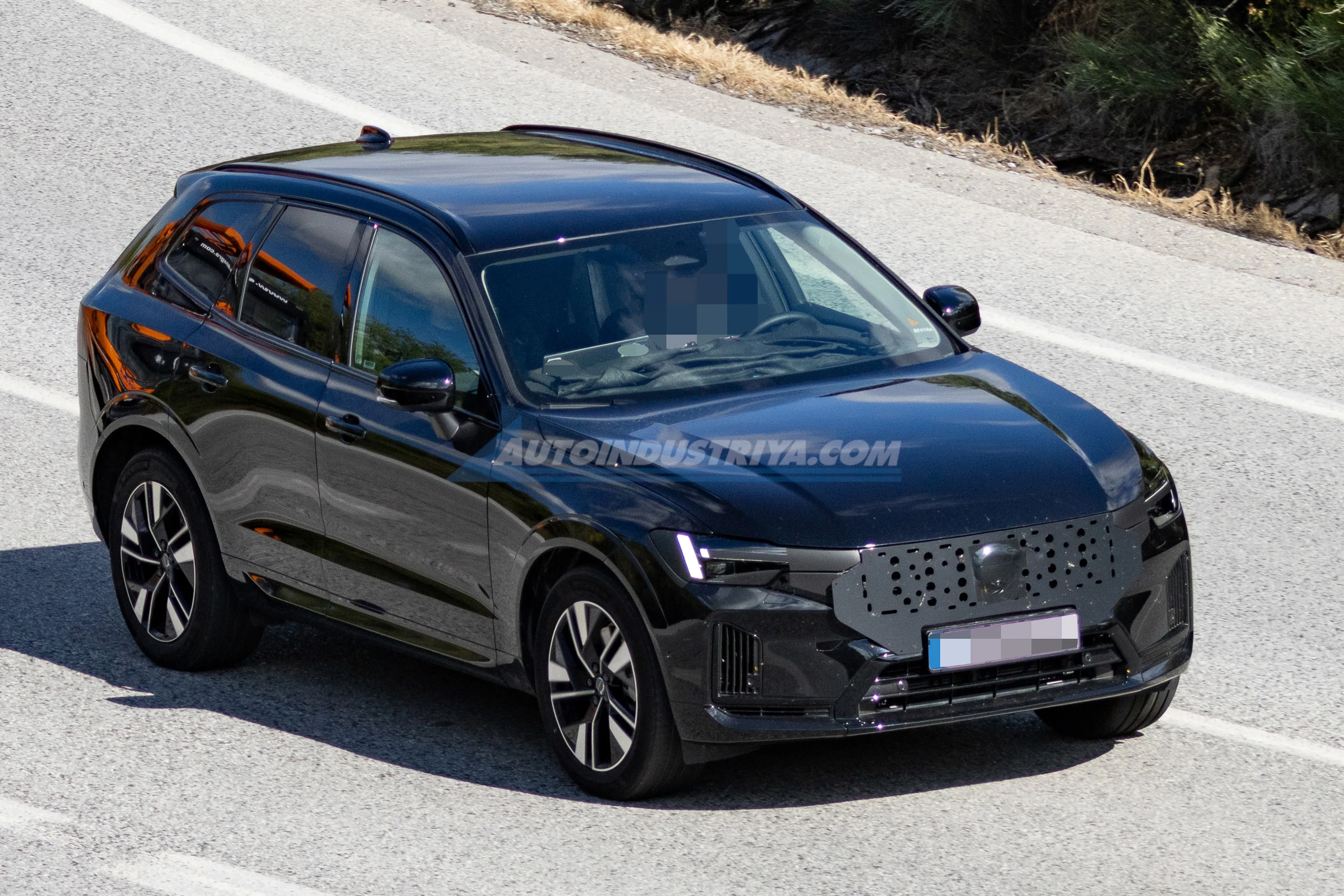
SPIED: Nearly decade-old Volvo XC60 to get another facelift?
After getting refreshed in 2025, the Volvo XC60 might receive yet another update

Volvo offers up to PHP 500K discount to XC60, XC90 PHEV
Volvo Cars PH latest sales promo slashes SRPs of XC60, XC90 PHEV by PHP 500k
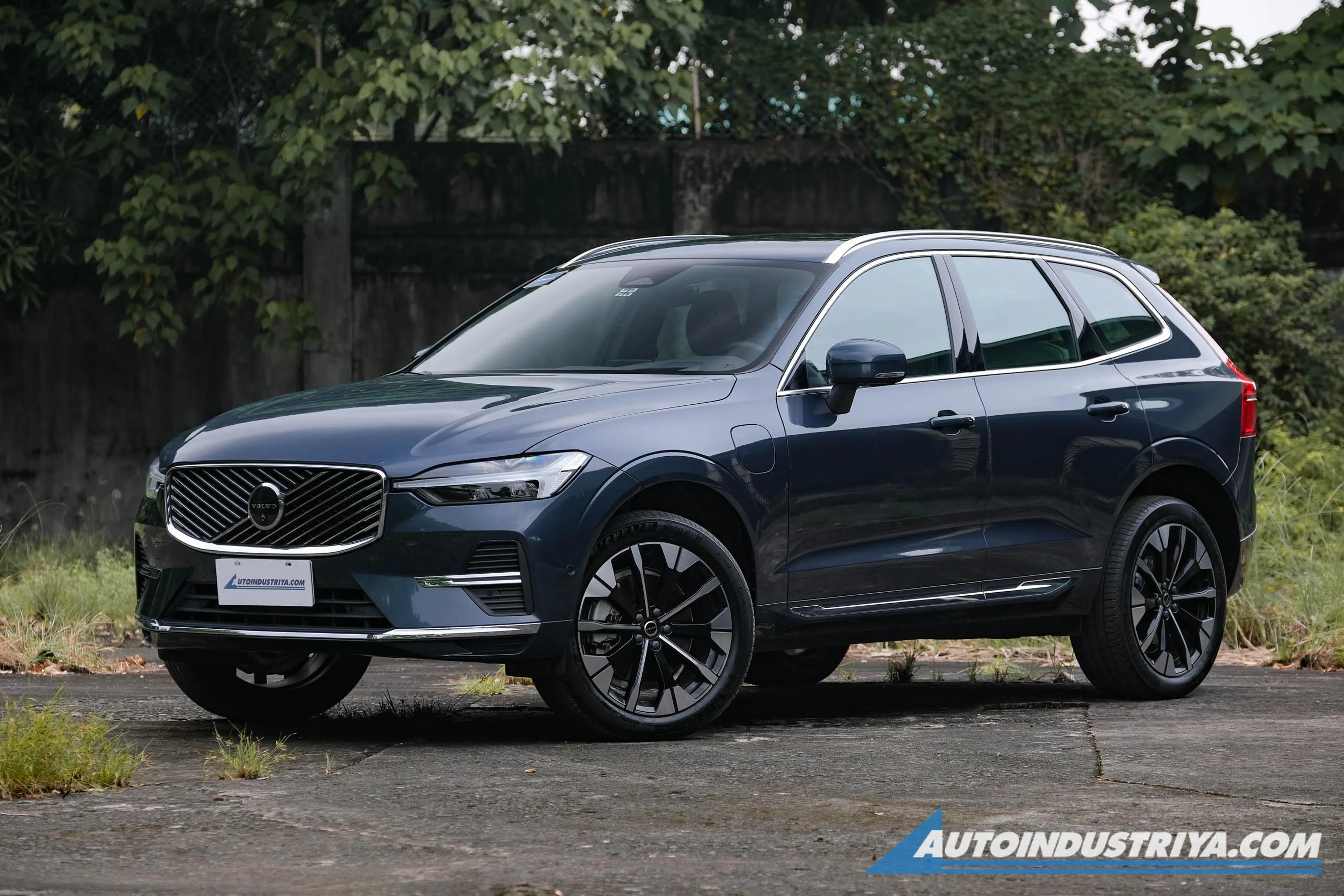
2025 Volvo XC60 T8 PHEV AWD
The XC60 platform is getting up there in years. Does it show? Or is it aging gracefully?
2025 Volvo XC60, XC90 refresh now in PH with plug-in hybrid
Volvo Cars Philippines introduces new XC60 and XC90 PHEV SUVs to the market
Here's your first look at next-generation BMW 3 Series
Most powerful BMW 3 Series is the M350 xDrive, which puts out 457 PS and 580 Nm of torque

Honda and Nissan join forces to build ECUs, OS for next-gen vehicle tech
Honda and Nissan have signed a joint agreement to co-develop shared vehicle computers and operating systems for their next-generation smart vehicles arriving from 2029 onward.